
The following is the church history as presented in the Stanhope United Methodist Church Historic Preservation Plan, funded by the Morris County Historic Preservation Trust Fund. Thank you to the Morris County Board of County Commissioners and the County staff and trustees of the Morris County Historic Preservation Trust Fund, which makes historic preservation funding possible in Morris County, New Jersey.
Lockwood Methodist Episcopal
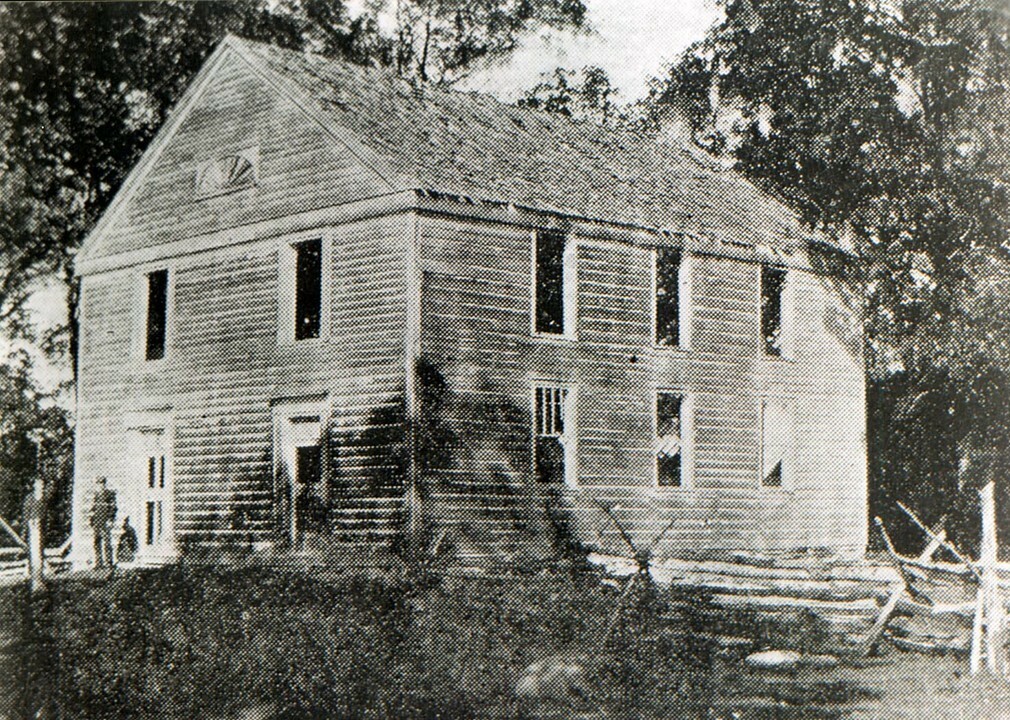
Before the church was built in Netcong, the Methodist Episcopal Church at Lockwood was built in 1835. It was located at the current location of the Lockwood Cemetery on Route 206 in Byram, NJ.
The church was a large frame building with galleries. As the congregation grew, the house was filled and overflowing during services and ceremonies. In addition, the building was deteriorating due to sustained damage. The Lockwood Church, then considered the center of the community, served area residents for eight years.
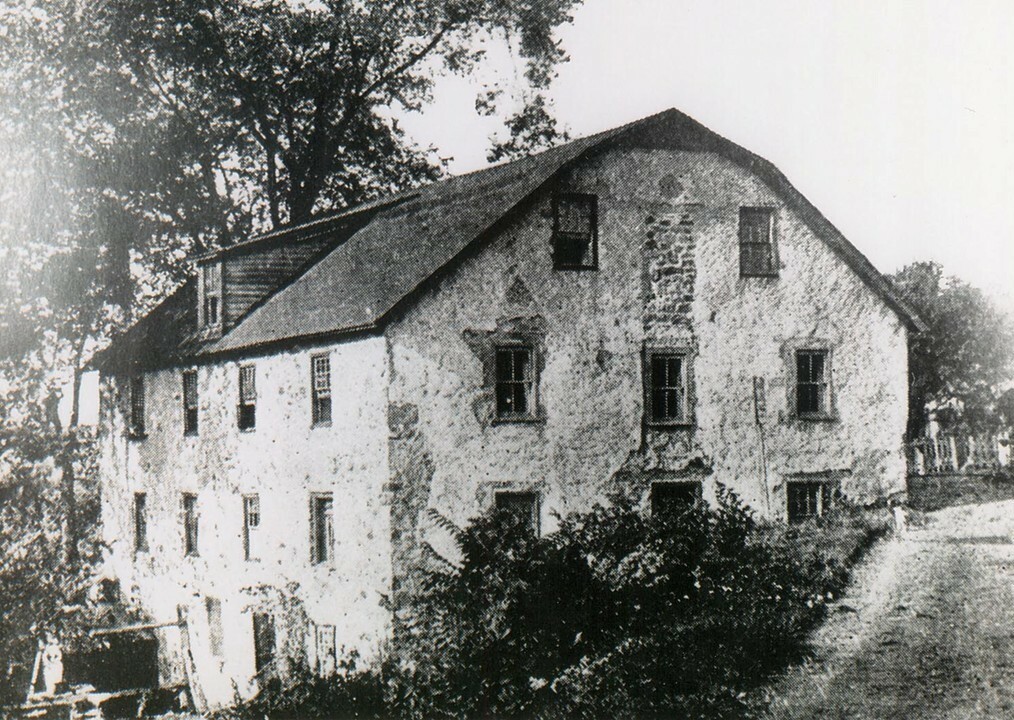
During this time, Methodist Bible classes were taught in a plaster mill along the Morris Canal. The plaster mill was used from 1835 to 1843.
Stanhope Methodist Episcopal Church
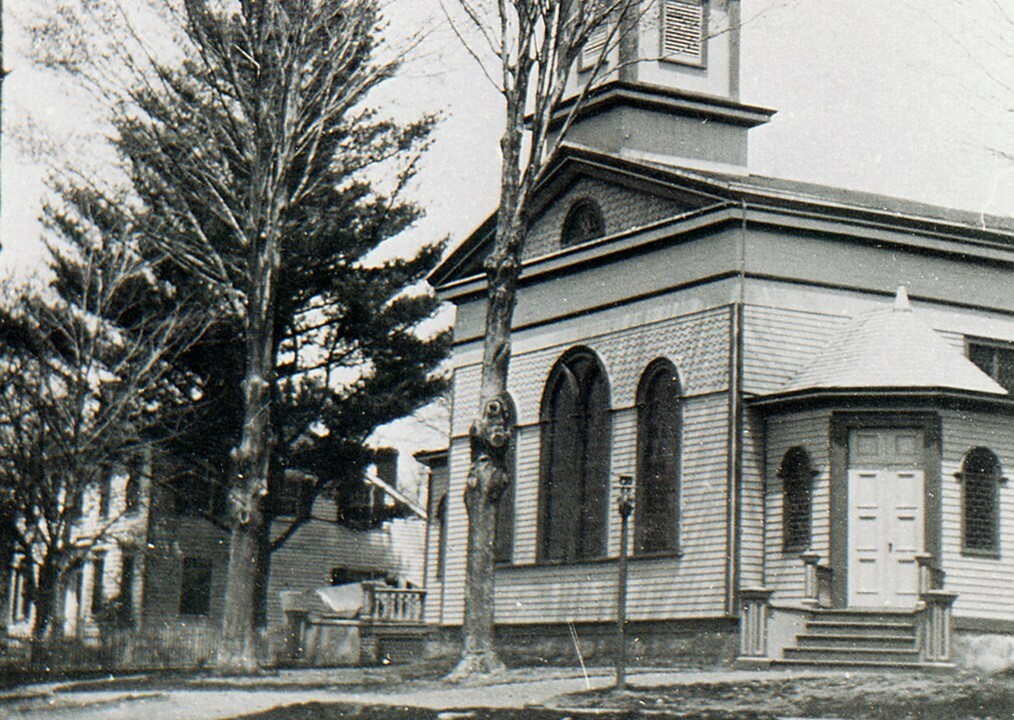
In 1844, the congregation moved to a location on Linden Avenue in Stanhope. John McGowan and Joseph Crane built the church building. The church was a tall, frame building with a steeple and remained in use until 1920. In the early 1900s, the growth of the community deemed the building of a new church to meet the needs of the congregation.
In 1915, the Trustees began soliciting donations. Mr. Abram J. Drake donated the land in Netcong at the dividing line between Netcong and Stanhope. Mr. Drake was one of the founders of Netcong and the Borough’s first mayor. Although the new location was in Netcong, the name was kept as the Stanhope Methodist Episcopal Church to reflect membership from both towns.
Move to Netcong
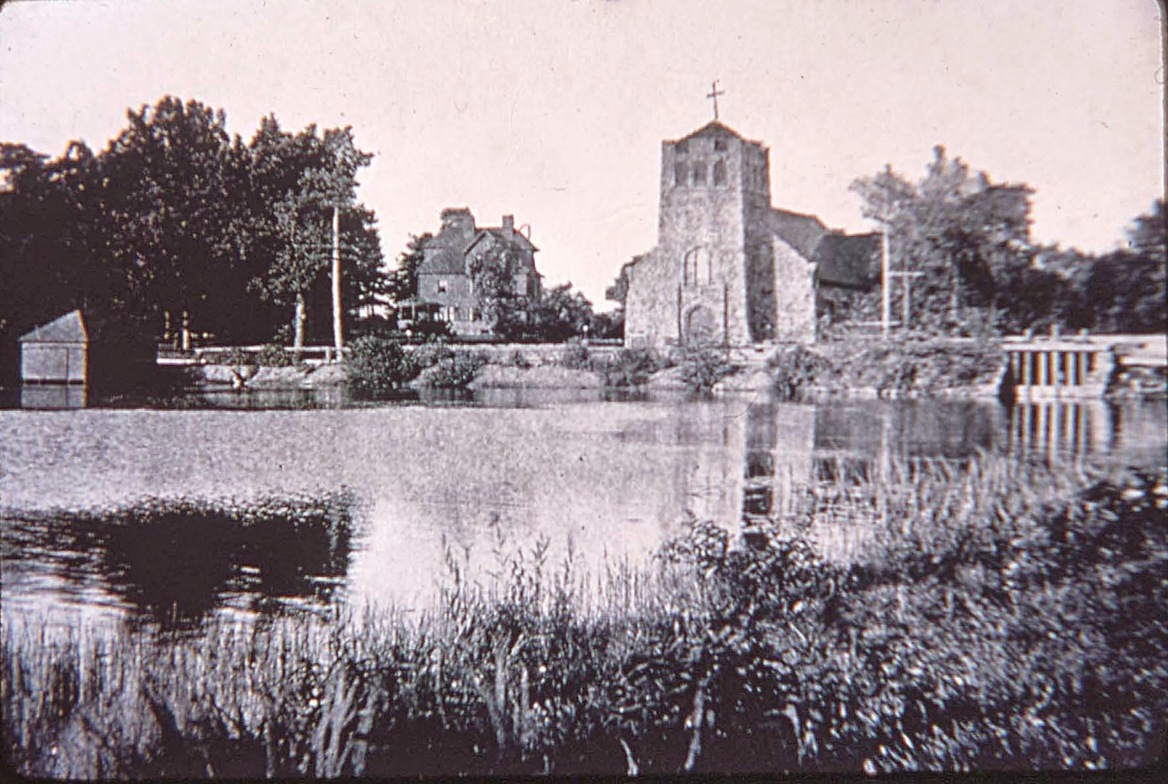
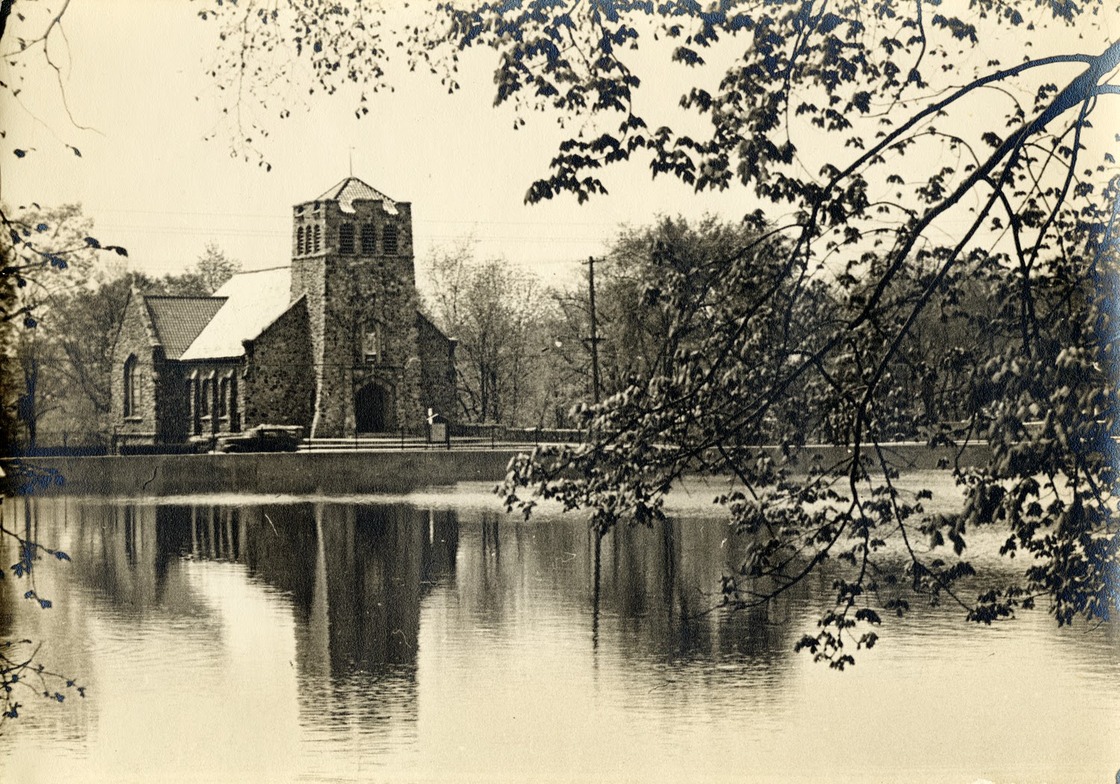
The church site was chosen with a view of Lake Musconetcong and the former Morris Canal. The Morris Canal opened in 1831 and operated through the early 1900s. When completed, the Morris Canal extended 102 miles from Phillipsburg on the Delaware River, uphill to its summit level near Lake Hopatcong, and then down to Jersey City.
Mule-drawn canal boats transported up to 70 tons of cargo and took five days to cross the state. The canal’s famous water-powered inclined planes were an engineering marvel that enabled canal boats to be raised or lowered up to 100 feet at a time.
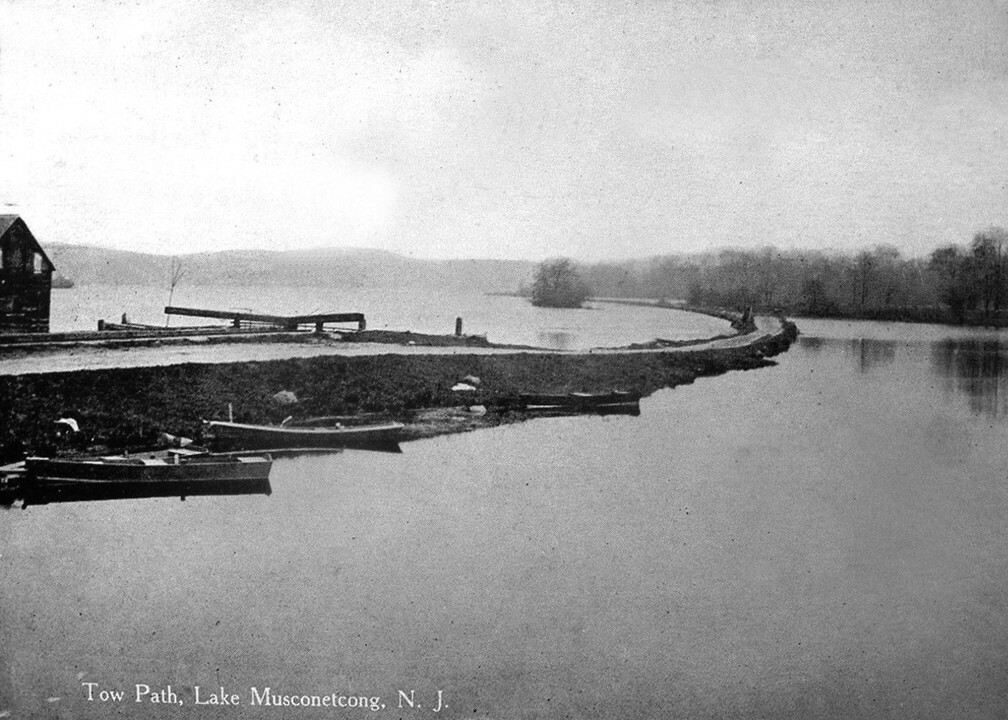
Lake Musconetcong was a reservoir created to serve the Morris Canal. The towpath across the lake allowed the mules to pull the boats from Stanhope to Port Morris. The Morris Canal closed in 1924, shortly after the opening of the church
Construction Before and After World War I
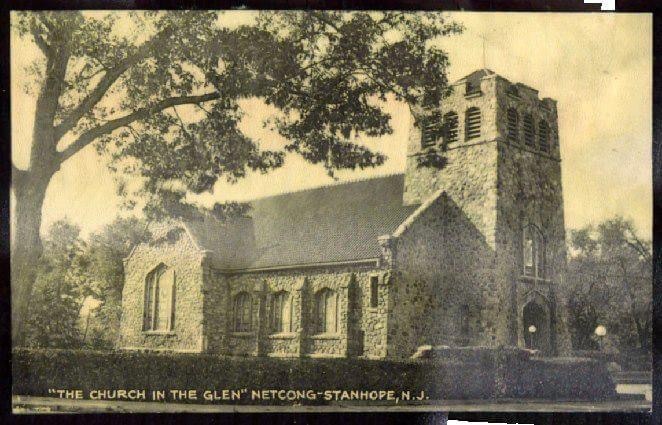
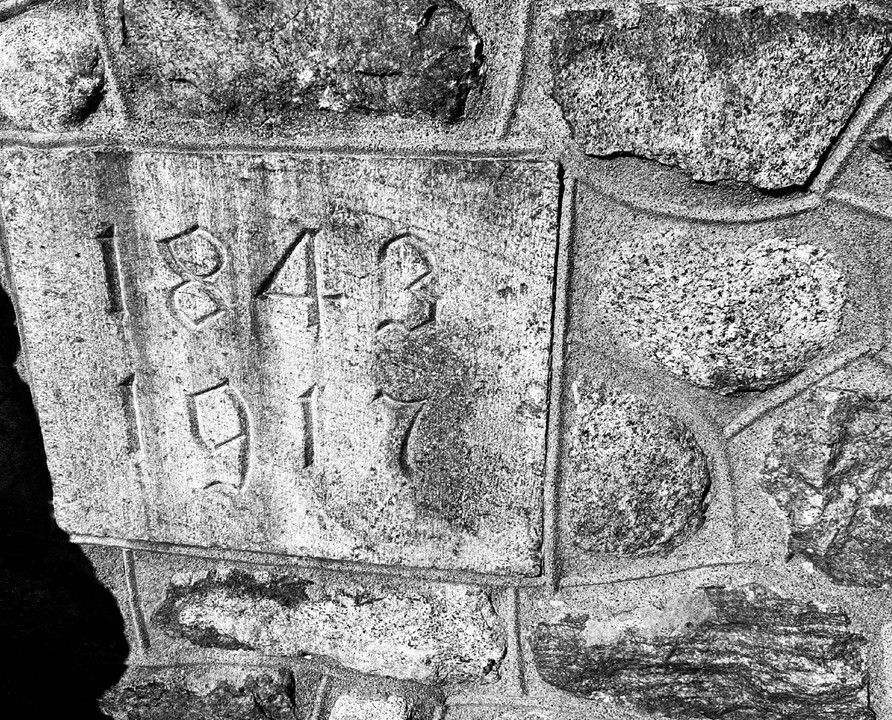
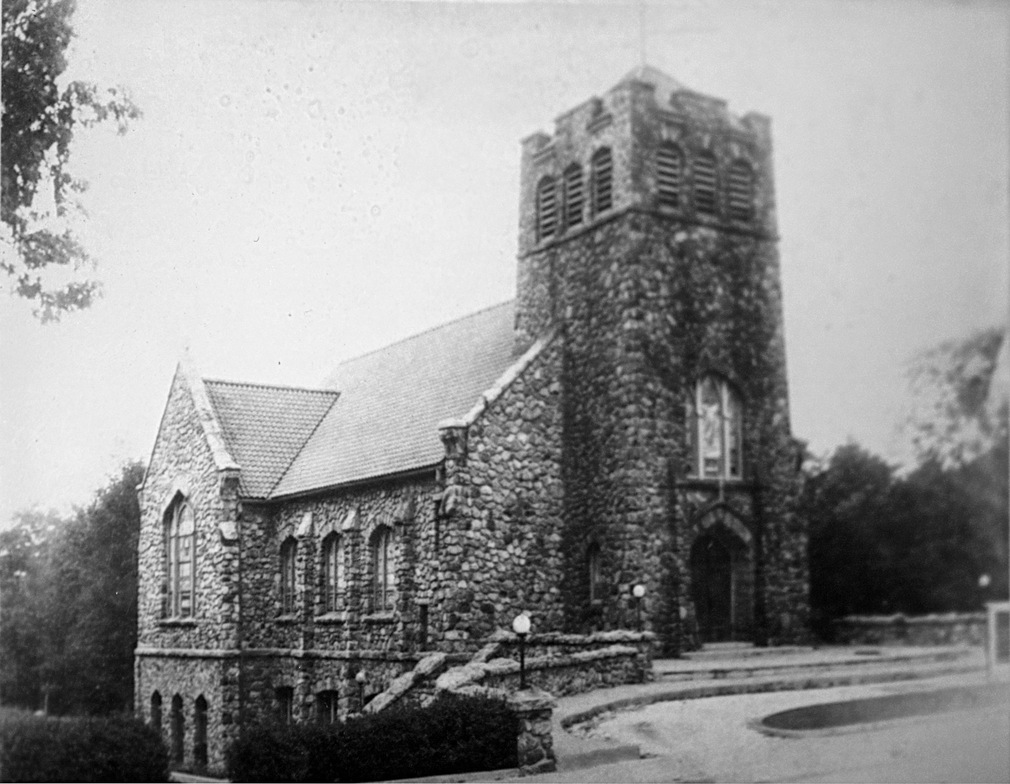
The building was started in 1917 but was delayed by the onset of World War I; it was completed in 1920 following the end of the war. The laying of the cornerstone of the new church took place on July 28, 1917. The construction was completed in October 1920 at a cost of about $20,000. The new building became known within the community as. “The Church in the Glen.
The dedicatory services of the Methodist Episcopal Church in the Glen were held from October 24 through October 31 in 1920.
The church was designed by Floyd Yard Parsons, an architect whose practice was based in New York City, but was a New Jersey native who resided in Paterson, New Jersey. The building was started in 1917 but was delayed by the onset of World War I; it was completed in 1920, following the end of hostilities.
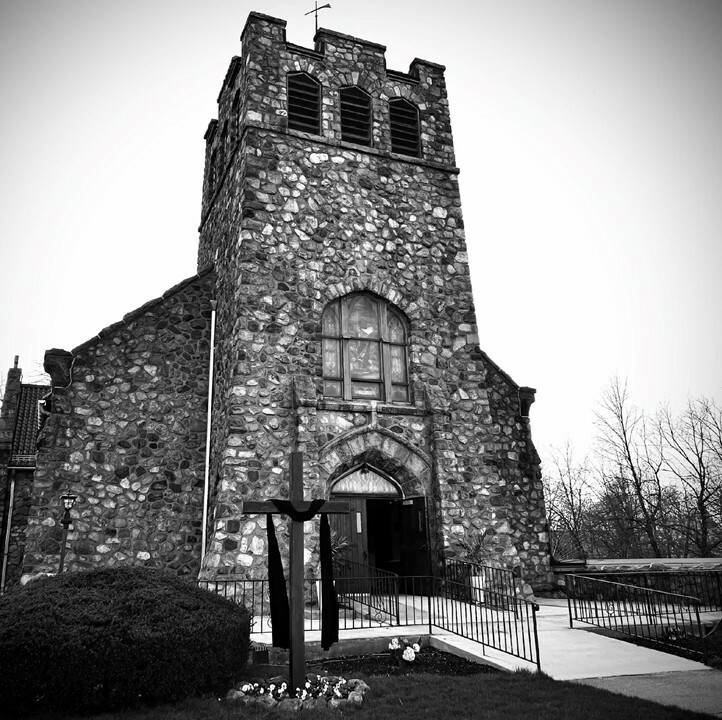
For the design of the Stanhope United Methodist Church in Netcong, Floyd Parsons elected to work in the Tudor Gothic Revival style and executed it in native fieldstone. The contractor for the new church was the local company of Gallo Brothers Construction Company, based in Netcong. The principals of Gallo Brothers – John and Michael – were prominent businessmen and community leaders.
The green tile roof was donated by Dorson S. Drake in memory of his father, Abraham J. Drake, who donated the new site for the church.
Post World War II
In 1939, the Stanhope Methodist Episcopal Church changed its name to the Stanhope Methodist Church after a district-wide union of Methodist churches. On April 23, 1968, the United Methodist Church was created when the Evangelical United Brethren Church and The Methodist Church merged at the Uniting Conference in Dallas, Texas. This union changed the church’s name to its present form.
The church paid off its mortgage in 1944 but waited until shortly after Rev. Henry Bowen returned from World War II to acknowledge the accomplishment. A celebration of the burning of the mortgage was held on October 20, 1946.
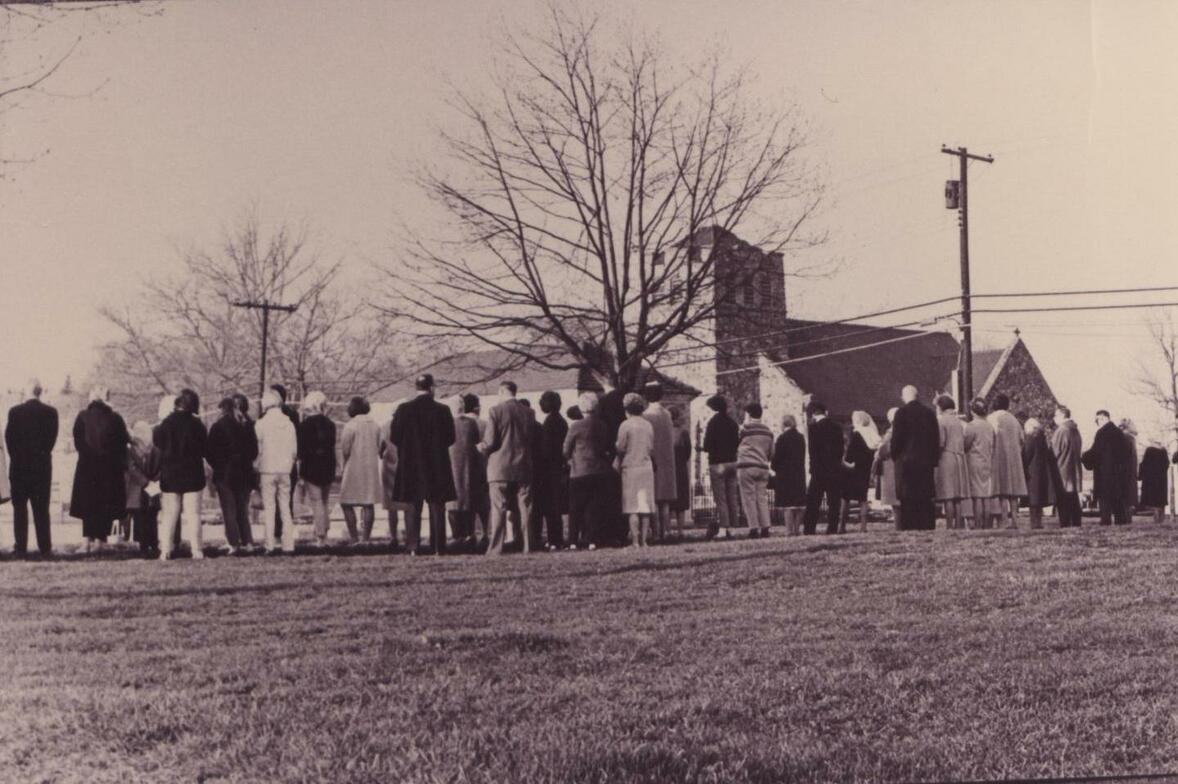
The 1965 school addition was built in such a way as to have minimal impact on the historic church building. Great effort was made to preserve the original structure of the church and make it compatible with the historic appearance of the church.
Pipe Organ
The pipe organ is a very special instrument that was originally shipped dismantled to Netcong via the Delaware, Lackawanna and Western Railroad to the addressee Warren E. Bostedo. The shipping label is still on the inner workings of the organ.
The church organ was built to the organist Mr. Charles Timbrell’s specifications and was first played by him at the opening week’s dedication services in 1921. The pipe organ was expanded in the 1970s to have a greater range of sound. The inside of the organ, or console, is accessed through small doors on either side of the keyboards. The church organ has three keyboards–two manual keyboards of 61 keys each, and a pedal keyboard of 32 keys, referred to as “the pedals.” The keyboards and pedals were upgraded to electronic key action that triggers the air flow into the pipes.
Sanctuary
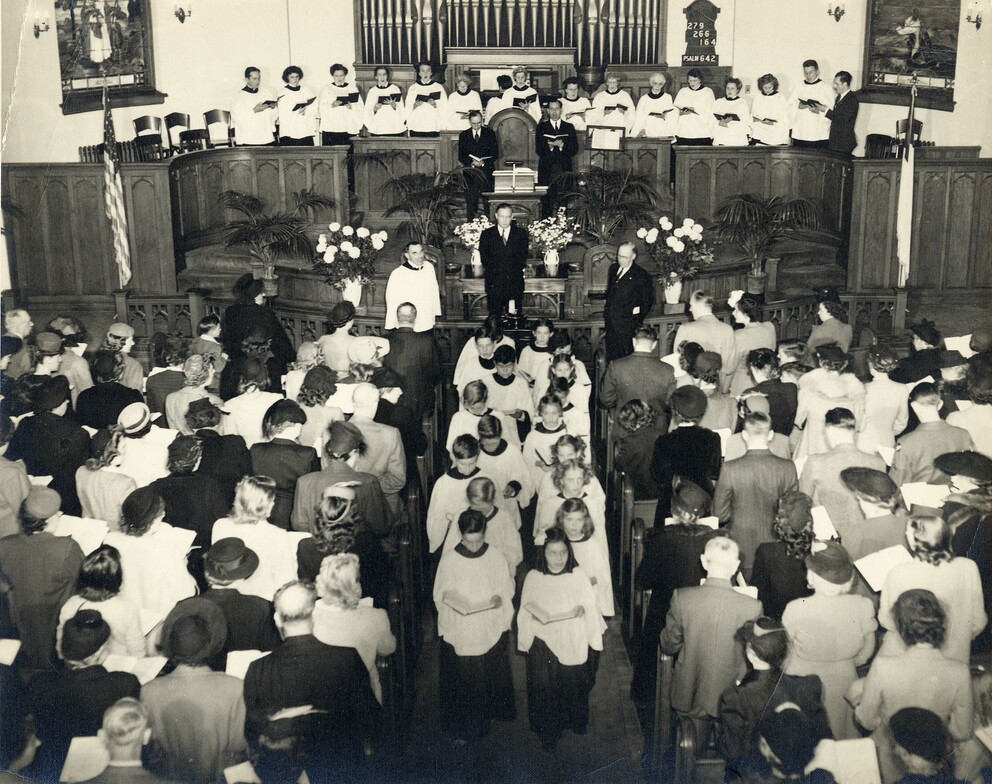
The sanctuary was designed as a large open space without columns or other obstructions that would block the sightlines between the congregation and the chancel. A combination of chestnut, oak, and mahogany adorns the sanctuary. The room is cruciform in shape. The space is unified by the arrangement of the wood pews, which gently arc across the nave, focused on the chancel. The dark wood ceiling of varnished beadboard installed between the wood beams includes nine original chandeliers, four on each side and one in the center. There are also 10 wall sconces on the interior Sanctuary walls, which are also original.
Stained Glass Windows
The stained-glass windows depict Christian symbols and scenes from the New Testament. The windows in the sanctuary are tripartite, with substantial mullions dividing the opening into a large central window and two smaller sidelights. The windows that flank the sanctuary list memorials “in dedication” and were donated by prominent area families. The seventeen stained glass windows of Stanhope United Methodist Church are an important architectural feature of both the interior and exterior. According to Willet Hauser Architectural Glass, Inc., the windows were fabricated using American Cathedral glasses (transparent colored glass with a mechanical finish imparted by a roller) and American opalescent glasses (opaque multi-colored glass).
The glass is handmade, mouth-blown antique glass, painted in the traditional “Trace and Matte '' technique of glass painting. The Bostedo and Powers families donated the two round windows in the chancel, known as “The Good Shepherd” and “In the Garden.” Located in the inner balcony/bell tower above the front entrance of the church is the “Jesus in the Clouds'' window. Given in honor of Rev. Norman P. Champlin, Pastor 1916-1919.
These two windows and the large window in the inner balcony/bell tower contain 3-dimensional portraits of Jesus of Nazareth, achieved by painting on glass.
Bell Tower
The bell in the tower was fabricated by the Meneely & Company of West Troy (now Watervliet), New York, a well-known and respected bell foundry in North America during the 19th and early 20th Centuries. Church histories report that it was originally donated to the first 1844 Stanhope Methodist Episcopal Church by parishioner Andrew Rose of New York City and later installed in the new church in Netcong.
Carillon Chimes
Over the years, the carillon chimes that play at Noon and 6 pm have broadcast from several different types of sound systems.
In the 1960s, the sound came from vinyl records played on a record player. In the 1970s, an 8-track tape system was used. In the 1980s through the early 2000s, an electronic carillon system donated by Harry and Maryann Denmead broadcast the chimes until the bell tower was struck by lightning in 2019. Currently, the chimes are driven by a computer playing MP3 files.
Garden of Memory
The Garden of Memory overlooking the Musconetcong River was established in 1965 and designed and constructed by church member Brian Morell as part of a memorial to Marilyn Riggs Meshach.
The Riggs family swapped property with the church for the construction of the current church parking lot. Bricks inscribed with names are placed throughout the garden to memorialize and honor loved ones.
Peace Pole
The “May Peace Prevail On Earth” monument was added to the front of the church in 2007 in memory of parishioner Carl Todt by his wife and lay leader, Judy Todt. The pole features six languages: English, Arabic, Greek, Swahili, Hebrew, and Chinese.
Preserved for History
Because of its historic significance, The Stanhope United Methodist Church, known as “The Church in the Glen,” was entered into the NJ Register of Historic Places on October 15, 2012, and the National Registry of Historical Places on January 2, 2013, after completion of a Historic Preservation Plan developed with funding from Morris County, New Jersey. Morris County erected the National Register sign in 2014.